Understanding Antinutrients in Grains
Grains naturally contain compounds known as antinutrients, such as phytic acid (phytate) and lectins. These substances serve protective roles for the plant but can bind to essential minerals like iron, zinc, and calcium in the human digestive tract, reducing their absorption. While not inherently harmful in moderate amounts for most, high levels or a diet heavily reliant on unsoaked grains might impact mineral status over time. Recognizing their presence is the first step to understanding how processing methods can alter nutritional outcomes.
The Science Behind Sprouting
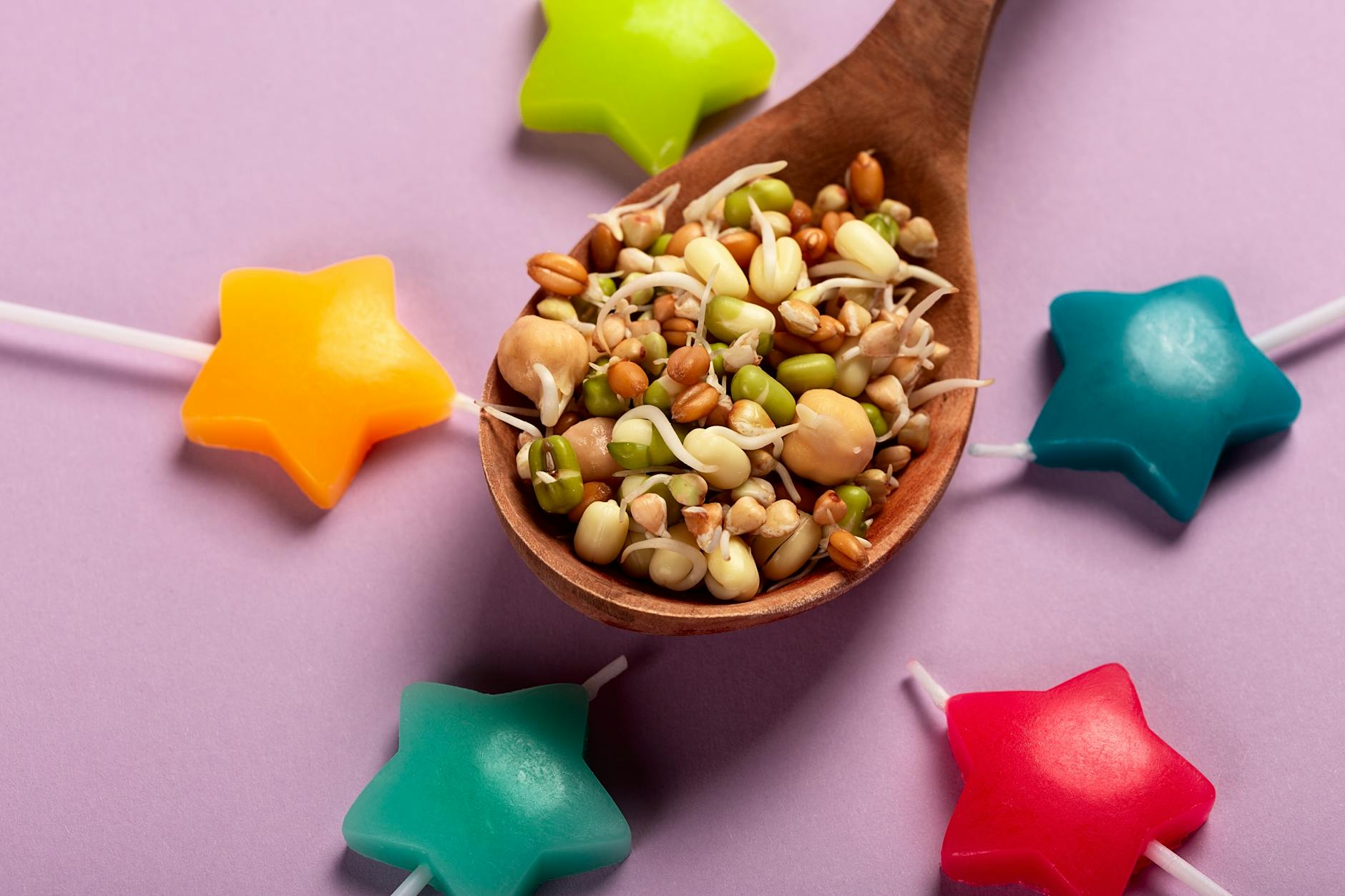
Sprouting involves germinating grains, a process where seeds are soaked and allowed to begin growing. This activates enzymes within the grain, triggering biochemical changes. Critically, these enzymes, like phytase, are instrumental in breaking down complex molecules suchates into simpler forms. This enzymatic activity is key to reducing the concentration of antinutrients. The process also leads to an increase in certain vitamins and amino acids, transforming the grain's nutritional profile before consumption.
Impact on Mineral Absorption and Bioavailability
By significantly reducing antinutrients like phytic acid, sprouted grains can enhance the bioavailability of crucial minerals. When phytates are broken down, minerals previously bound to them are released, making them more accessible for absorption in the gut. Studies indicate improved uptake of iron, zinc, and magnesium from sprouted grains compared to their unsprouted counterparts. This can be particularly beneficial for individuals relying on plant-based diets or those at risk of specific mineral deficiencies, maximizing the nutritional return from their food.
Are Sprouted Grains Nutritionally Superior?
While sprouting offers clear advantages in reducing antinutrients and enhancing mineral bioavailability, it's important to note that it doesn't eliminate all antinutrients entirely. The extent of reduction varies by grain type and sprouting method. However, the overall nutritional profile of sprouted grains generally shows improvements in digestibility and nutrient density, including higher levels of certain B vitamins, Vitamin C, and amino acids. Incorporating sprouted grains can be a valuable strategy to boost nutrient intake and support overall digestive health.