Advertisement
Health

Beyond the Screen: The Hidden Health Dangers of Endless Meetings for Tech Professionals

· 3 min read · Health
CalcHealth Editorial Team
Evidence-Based Medical Reviewers
Medically Reviewed
Beyond the Screen: The Hidden Health Dangers of Endless Meetings for Tech Professionals
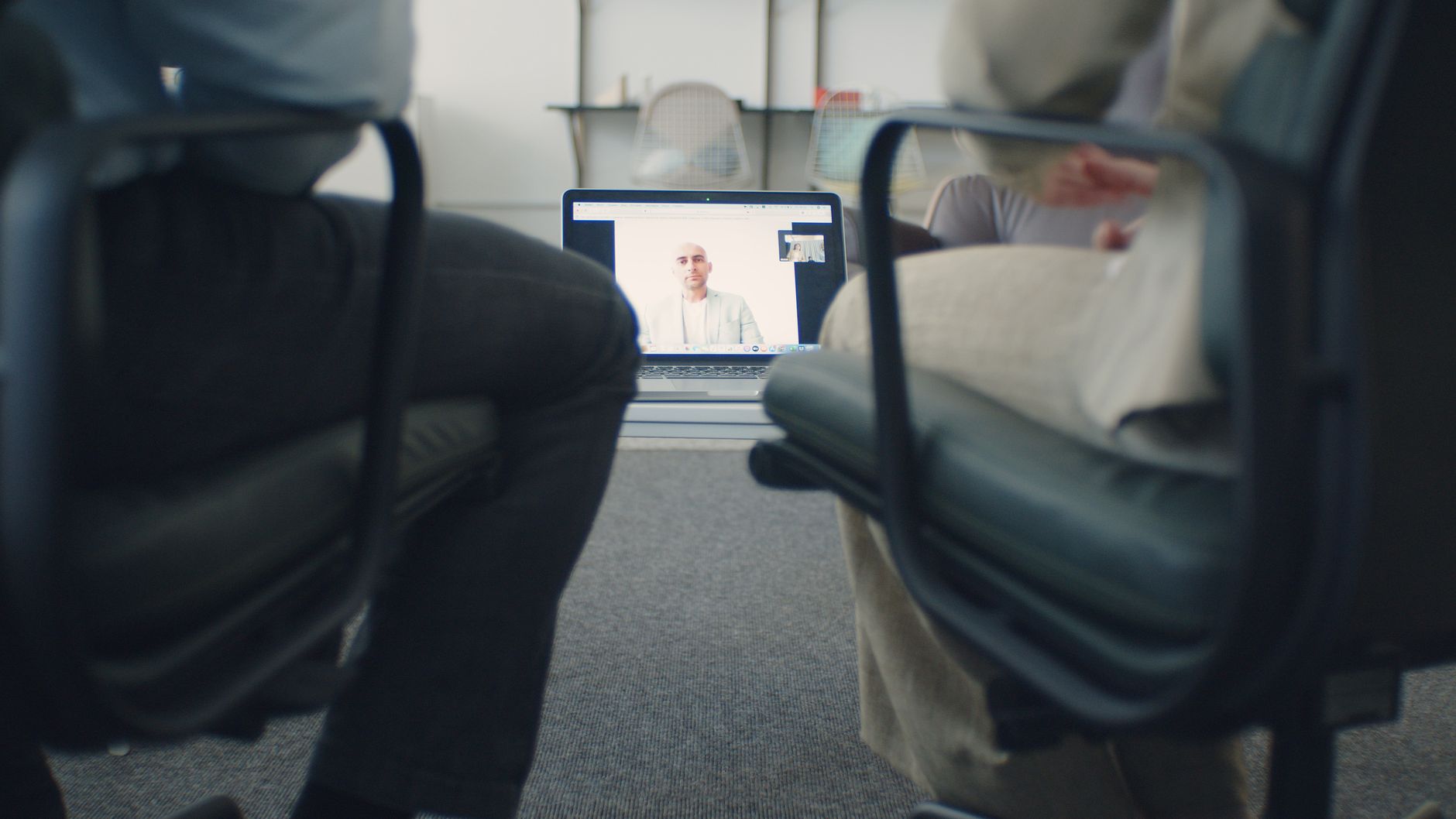
Beyond the Screen: The Hidden Health Dangers of Endless Meetings for Tech Professionals · Photo by Kampus Production on Pexels
Quick Insight

Endless meetings pose significant, often overlooked, health risks for tech professionals. Beyond productivity loss, they contribute to mental fatigue, stress, physical inactivity, and burnout. Understanding these dangers is crucial for fostering healthier work environments and protecting the well-being of the tech workforce.

70%
of meetings are considered unproductive by employees
23 hours
average time tech professionals spend in meetings weekly
60%
of tech workers report increased stress due to meeting overload
$37 billion
estimated annual cost of unproductive meetings in the US
40%
increase in sedentary behavior linked to excessive meeting attendance
Advertisement

The Silent Erosion of Mental Well-being

For tech professionals, deep work and focused concentration are paramount. Excessive meetings fragment schedules, making it difficult to achieve flow states. This constant context-switching leads to cognitive overload, increased stress, and anxiety. The pressure to be 'always on' in back-to-back virtual calls can deplete mental energy, making individuals more susceptible to burnout and reducing overall job satisfaction. Chronic mental fatigue impacts decision-making and creativity, essential traits in the tech industry.

Physical Health: A Sedentary Trap

Long hours spent in meetings often mean prolonged sitting, contributing to a sedentary lifestyle. This lack of movement is a known risk factor for various physical health issues, including musculoskeletal problems, poor cardiovascular health, and metabolic disorders like type 2 diabetes. Skipping breaks, delaying meals, and neglecting physical activity due to a packed meeting schedule further exacerbate these risks. Tech professionals need regular movement to counteract the effects of desk-bound work.

Burnout and Disengagement on the Rise

The relentless cycle of meetings, often perceived as unproductive, can lead to a profound sense of futility and disengagement. When valuable work time is consumed by discussions that yield little tangible progress, morale suffers. This can quickly escalate into burnout, characterized by emotional exhaustion, cynicism, and a reduced sense of personal accomplishment. Burnout not only impacts individual health but also leads to higher turnover rates and decreased innovation within tech companies.

Strategies for a Healthier Meeting Culture

Mitigating the dangers of endless meetings requires intentional change. Companies can implement 'no-meeting' days, enforce shorter meeting durations, and encourage asynchronous communication. For individuals, setting boundaries, declining non-essential meetings, and incorporating micro-breaks for stretching or walking can make a difference. Prioritizing well-being through mindful scheduling and advocating for more efficient meeting practices are vital steps towards a healthier tech work environment.

Advertisement

Prioritize Your Well-being

Discover resources and strategies to combat meeting fatigue and improve your work-life balance.

Explore Wellness Tips

Frequently Asked Questions

Excessive meetings contribute to mental fatigue, cognitive overload, increased stress, and anxiety due to constant context-switching and the pressure to perform. This can lead to burnout and reduced creativity.
Yes, prolonged sitting in meetings promotes a sedentary lifestyle, increasing risks for musculoskeletal problems, poor cardiovascular health, and metabolic disorders like type 2 diabetes. It also often leads to missed breaks and physical activity.
Professionals can set boundaries, decline non-essential meetings, suggest shorter meeting durations, use 'focus time' blocks, and incorporate micro-breaks for movement or stretching between calls.
Companies can implement 'no-meeting' days, enforce meeting-free blocks, encourage asynchronous communication for updates, ensure clear agendas and objectives for all meetings, and promote meeting etiquette that values efficiency and employee well-being.
Advertisement
Advertisement