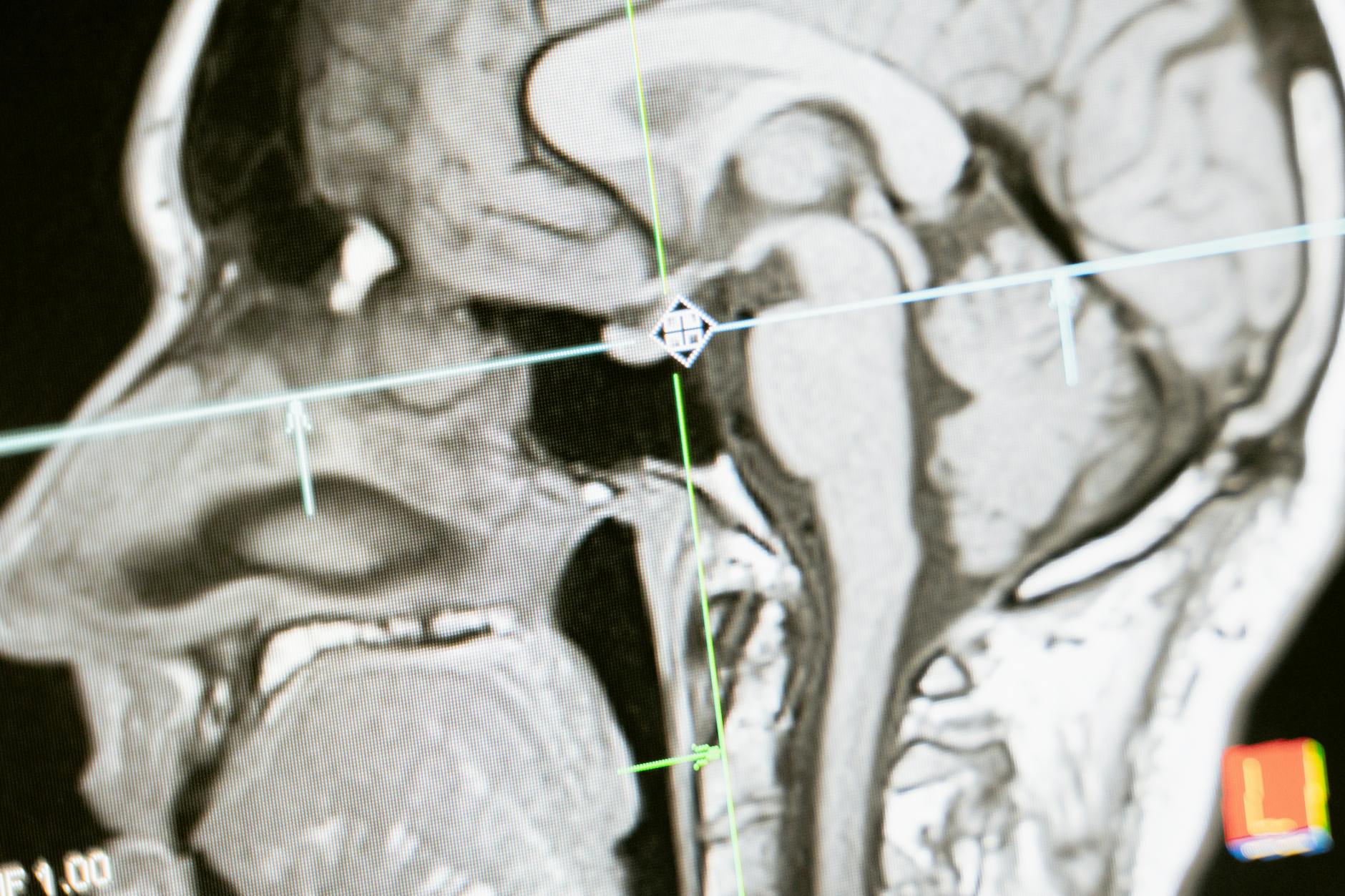
Understanding Brain Fog and Its Symptoms
Brain fog is characterized by confusion, forgetfulness, lack of focus, and mental fatigue. It is not a medical condition itself but a symptom linked to various chronic illnesses. Patients often describe it as a clouded mental state that disrupts daily functioning and cognitive performance.
Chronic Illnesses Commonly Associated with Brain Fog
Conditions such as autoimmune diseases, fibromyalgia, chronic fatigue syndrome, and multiple sclerosis frequently include brain fog among their symptoms. These illnesses cause inflammation, hormonal imbalances, or neurological disruptions that impair cognitive processes.
Causes and Mechanisms Behind Brain Fog in Chronic Illness
Inflammation and immune system dysregulation play a significant role in brain fog development. Chronic illness often triggers ongoing inflammation, which affects neurotransmitter function and brain signaling. Additionally, sleep disturbances and medication side effects contribute to cognitive difficulties.
Strategies to Manage Brain Fog Effectively
Management involves addressing the underlying chronic illness, optimizing sleep, reducing stress, and maintaining a healthy diet. Cognitive exercises, regular physical activity, and consultation with healthcare providers to review medications can also improve mental clarity and reduce brain fog symptoms.